In my opinion, the only argument for atheism that is truly challenging to respond to is the problem of pain and suffering. Why does a good and loving God allow His creation to suffer?
During a recent road trip, I saw the dead bodies of young fawns that had been struck and killed by speeding cars. Didn’t God love these baby deer? Why did God allow them to die? Why does God allow babies to get cancer? Why did God (allegedly) create spider wasps that paralyze spiders and lay eggs on them so the larvae can feed on the spider that remains alive? Doesn’t God care that the poor spider could be suffering?
Those are actually silly questions. Of course God cares about His creation. If He didn’t care, we wouldn’t exist. It’s that simple. In our arrogance, we assume our puny human brains ought to be able to figure out the reason for creation, but I’m afraid the answers to our existential questions are held well above our pay grade. I refuse to allow myself to get upset about the idea that God is always going to be smarter and know a lot more than me.
Life cannibalizes life. Living organisms consume other living organisms to survive. The only organisms that don’t kill other organisms to survive are plants that use photosynthesis to produce food, but even then, those plants receive nutrients from other organisms who died and their remains fertilized the ground where the plants are growing.
There is no reason to assume God’s plan for the universe should not include pain and suffering. Just because you don’t understand the whole plan is not a good reason to assume no plan exists.
Does pain serve a purpose? Is there any value to experiencing pain?
My answer to both questions is yes. I’ll explain my answer momentarily.
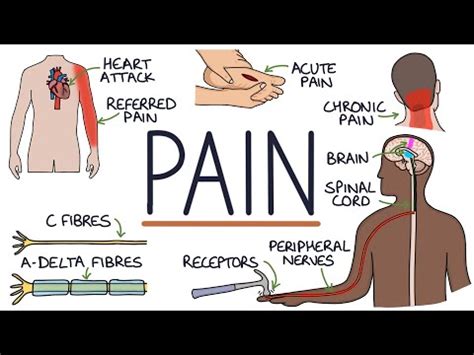
The condition known as congenital analgesia is when an individual is incapable of feeling pain, which might sound great until one considers the ramification of what life would be like if we never felt pain. A small child learns to not touch a hot stove because of the sensation of pain. However, a child suffering from congenital analgesia could experience third degree burns without realizing the damage being inflected on their body because they don’t feel pain. The movie Novocaine even makes light of this horrifying condition, but it’s no laughing matter.
Without pain, we could not possibly appreciate pleasure, or even understand the concept because there would be no alternative. Without joy, we could not understand sorrow. Most, if not all of us, have experienced pleasure and joy in hearing a baby’s laugh. Most, if not all of us, have experienced sorrow at the death of a loved one. We’re not only supposed to experience good times. We’re supposed to go through bad times as well. We’re here for the experience itself. Why?
How else can we grow, spiritually? Like they used to say on ABC’s Wide World of Sports, we’ve all experienced the thrill of victory and the agony of defeat at some point in our lives. We can’t name or even describe an experience without the context of some alternative sensation.
Pain is unpleasant, but it is quite necessary. Pain serves an important purpose in terms of our overall health. Pain is vital feedback to our immune and central nervous systems and essential for our long-term survival.
Pain tells us when we are injuring our bodies to stop what we’re doing. We were gifted these bodies by our Creator for the purpose of having experiences in them. My wife likes to say our souls are in school at Life University (NOT the chiropractor college) for the sole purpose of the experience.
I like her analogy.
While we occupy these mortal bodies, we need to feel pain. And we must learn from that experience.

Speak Your Mind